Mostaza China Fermentada
酸菜 Sun-wilted suāncài • The most popular lacto-fermented vegetable in China, common as sauerkraut is in Central and Eastern Europe. This southern version uses Chinese mustard greens (jiè cài 芥菜) and requires to sun wilt the vegetable before.
- Preparación
- 360 min
- Reposo
- 30240 min
Utensilios
-
Fermentador de arcilla tradicional chino con trampa de aire
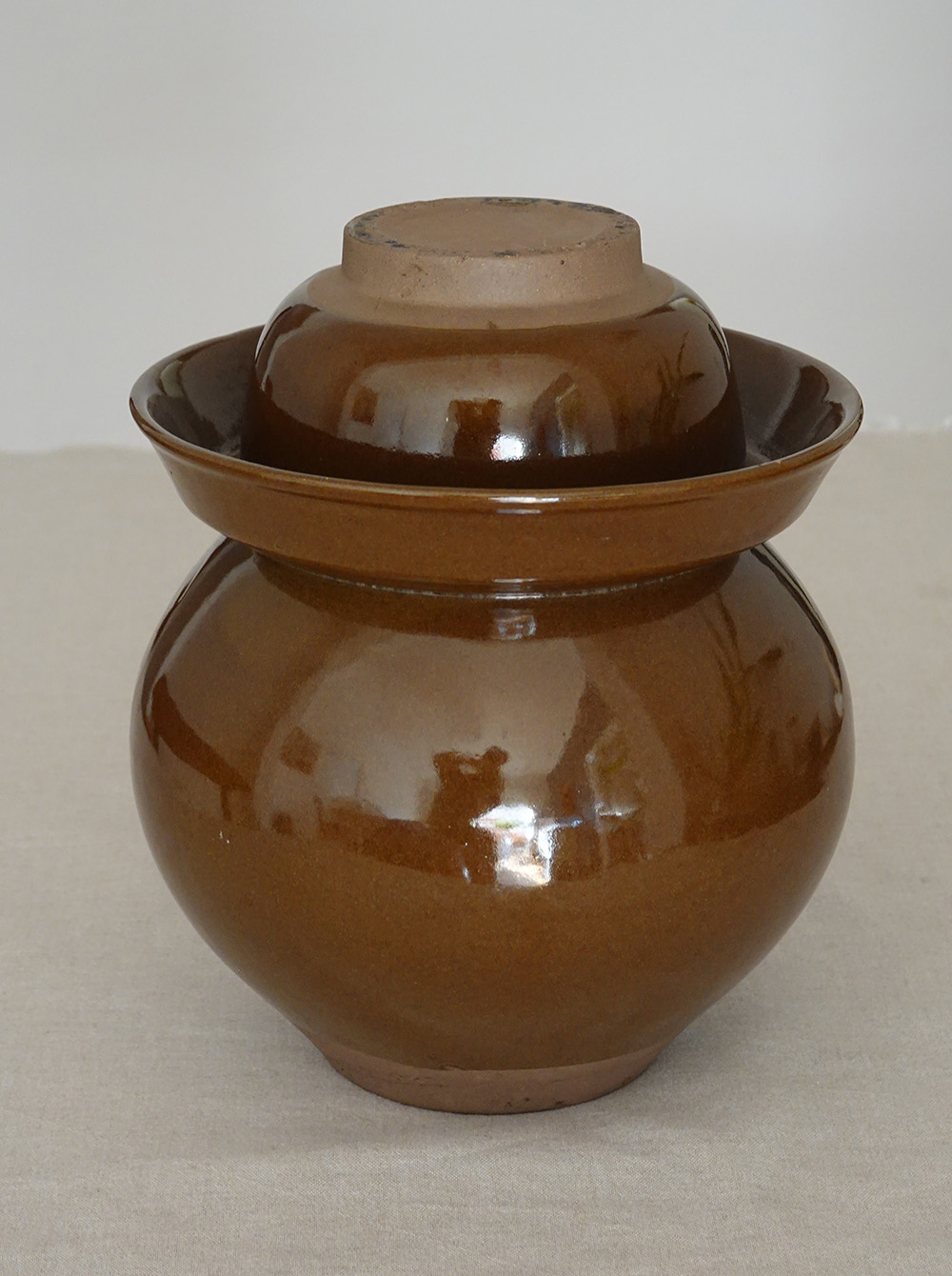
坛子 tánzi • Jarra o cántaro de barro con una parte superior ancha y una abertura pequeña. Actualmente también se pueden encontrar de vidrio. Se utilizan normalmente para almacenar líquidos como vino, vinagre o salsa de soja, o para encurtir verduras. En estos últimos casos, incorporan un borde sellado con agua que crea una válvula unidireccional perfecta, permitiendo la salida del dióxido de carbono y bloqueando el oxígeno, las plagas y los hongos.
Dónde encontrarlo: Algunos mercados chinos las tienen
Sustitutos: Cualquier vasija de fermentación de vidrio o cerámica, o frasco grande.
Ingredientes
-
1000 g
Chinese mustard greens
, sun-dried
芥菜 jiè cài • Describes many different cultivars for the "Brassica juncea" species, most jiecai falls inside de iIntegrifolia subgroup. All of them are great for stir-frying, soups or fermenting. Its seeds are used to make mustard powder (芥末 jièmò).
Dónde encontrarlo: Chinese markets
- 2 L Agua , boiled and cooled to room temp.
- 60 g Sal
- Jengibre (opcional) , to taste
-
Chile pequeño
(opcional) , to taste
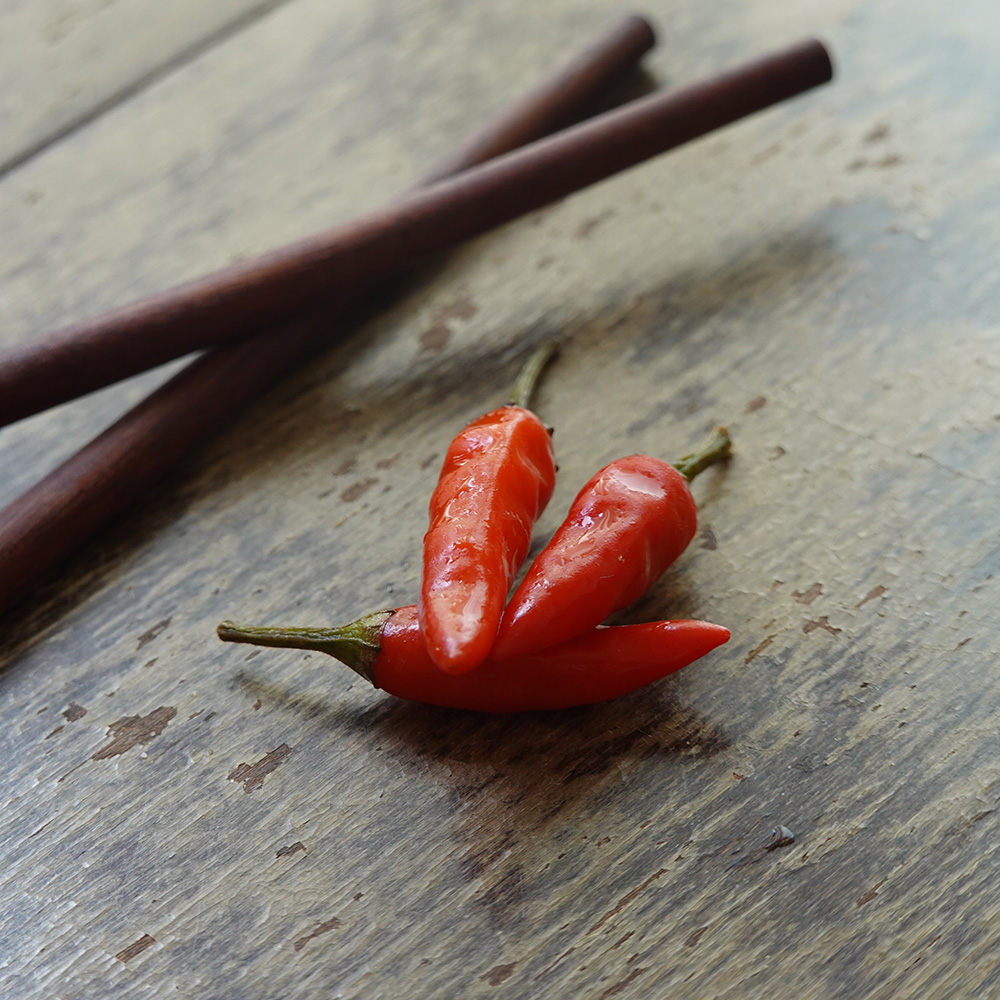
También conocido como: aji pequeño
Chile chino pequeño, rojo y picante
- Agua , hot, as needed for sterilization
Preparación
-
1
Wash the jiecai thoroughly to remove hidden dirt between the stems. Cut large heads lengthwise into halves or quarters so they wilt evenly and fit through the narrow neck of your clay jar.
-
2
Follow the 4 to 6-hour intense sun-wilt until the thick stems bend like rubber without breaking.
-
3
Thoroughly wash a glass or ceramic fermentation crock. Sterilize it with boiling water and let it air dry completely. Any residual grease will spoil the batch.
-
4
Pack the sun-wilted greens (you can roll or fold them into tight bundles) tightly into the jar, pressing down firmly to eliminate air pockets. Don't be afraid to bruise them slightly, it's actually better to help the salt penetrate.
-
5
Dissolve the salt completely into the water (or water/rice water mix). The water must be at room temperature; hot water will kill the wild bacteria.
-
6
Pour the brine over the greens. The greens must be completely submerged under the liquid to prevent mold. Use a clean fermentation weight or a food-safe stone to keep them weighed down. Alternatively use some sterilized chopsticks.
-
7
Seal the jar. If using a traditional water-sealed Chinese clay jar, ensure the outer rim moat always has water. Keep in a cool, dark place between 15°C to 20°C. Ferment for a minimum of 14 to 21 days.