Pidan with Roasted Peppers
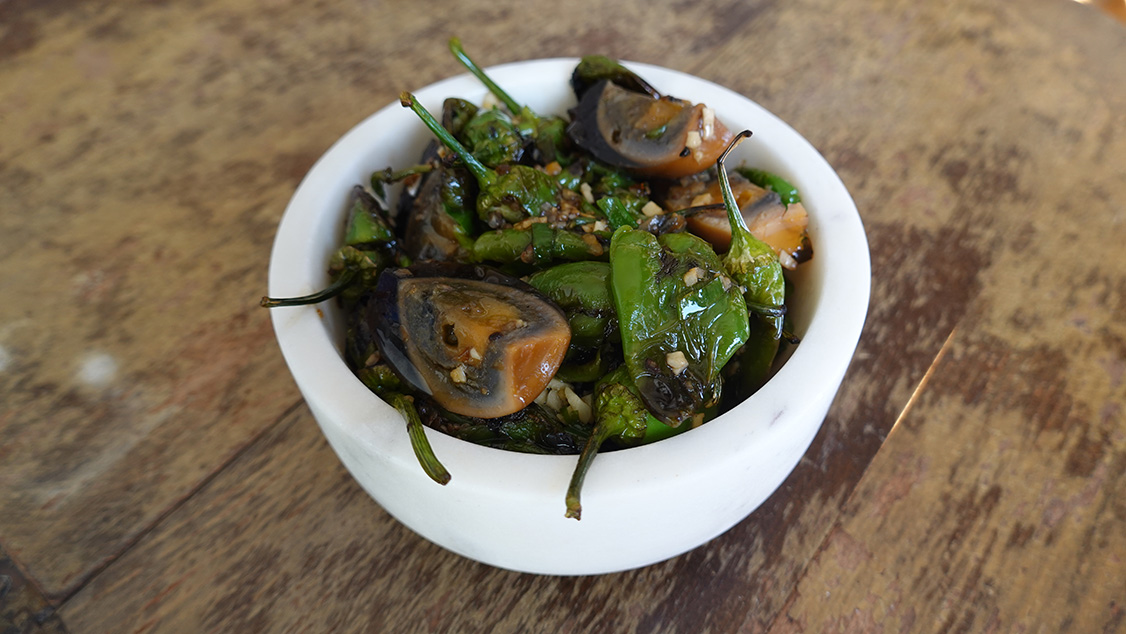
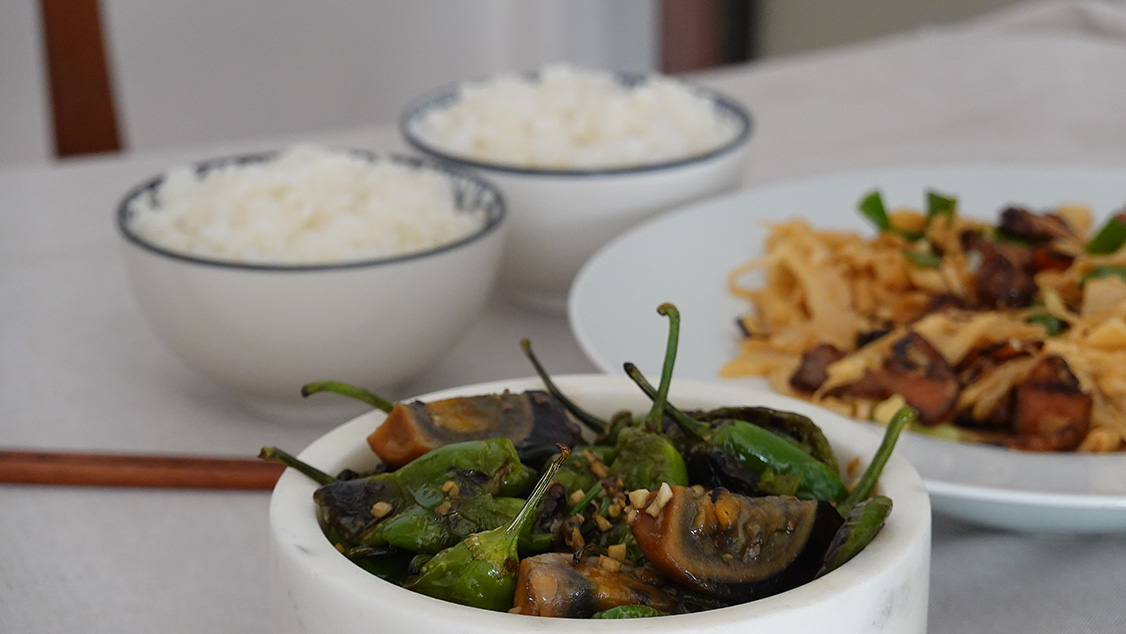
擂辣椒皮蛋 Léijiāo pídàn • This popular cold dish from Hunan province combines roasted green peppers and preserved eggs. Smoky, spicy, and full of umami. One of our favorite cold dishes. This local version features Padrón peppers and a duck pidan with a creamy yolk.
Adapted from Chila 湘遇 (Barcelona)
- Serves
- 2
- Prep
- 10 min
- Cook
- 10 min
- Makes
- 300 g
Ingredients
-
2
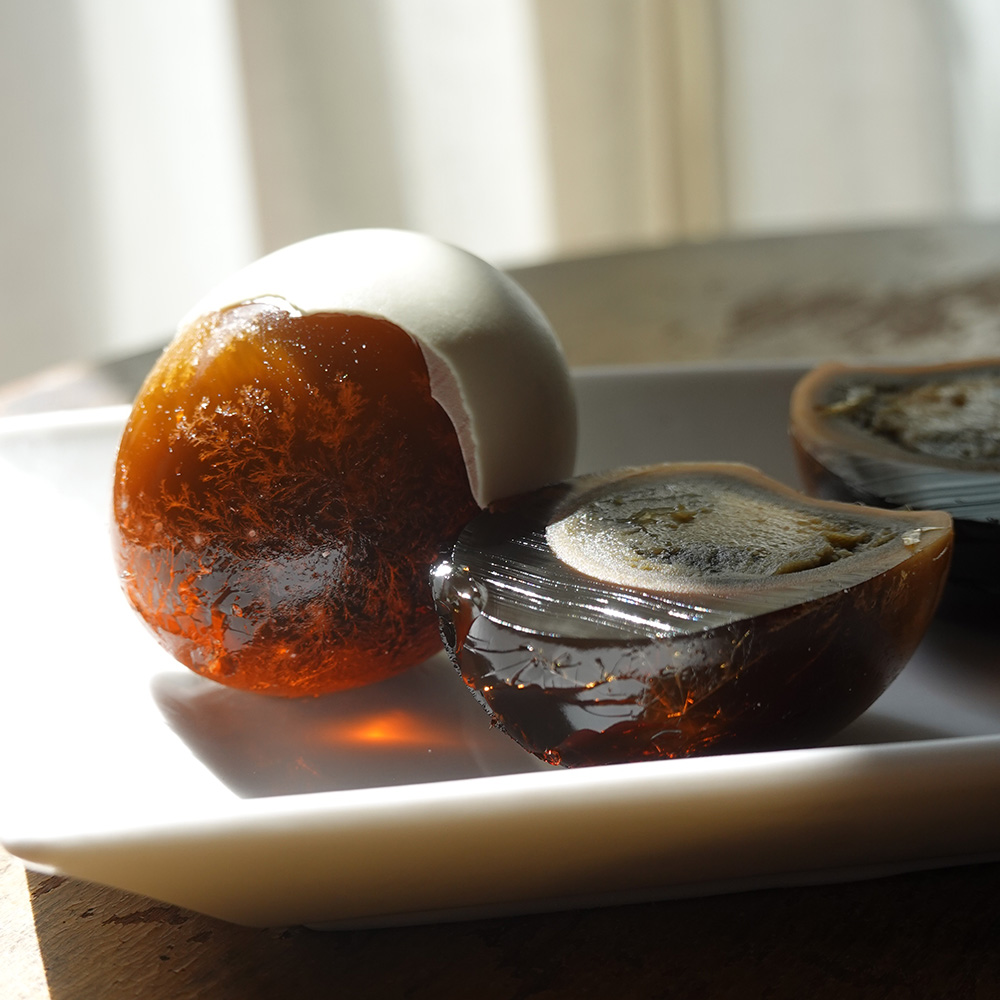
Century eggs
, with a soft yolk if possible
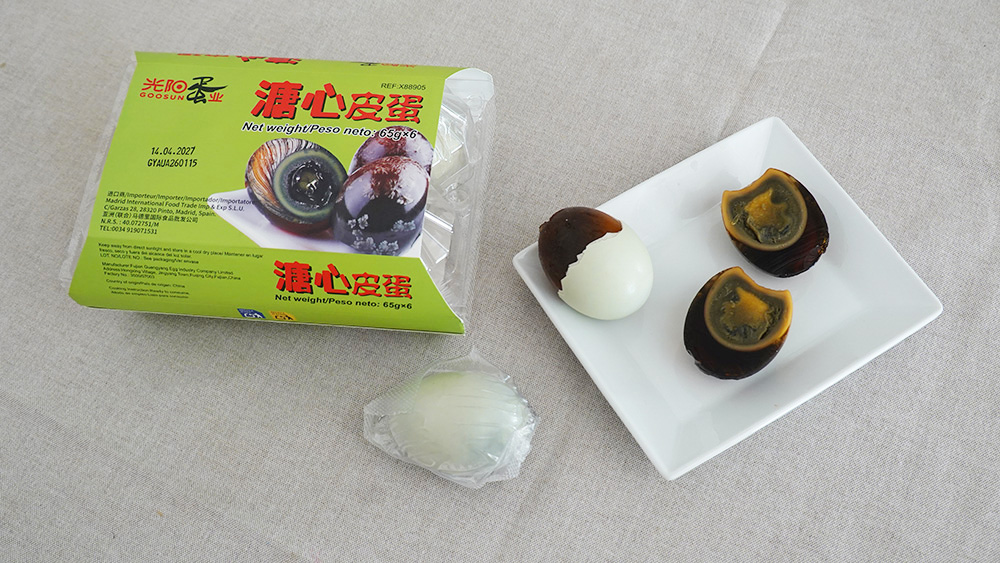
Also known as: preserved egg, alkalized egg, pídàn, pine flower eggs, pine-patterned eggs, songhua eggs
皮蛋 (pídàn) •
Where to find it: Chinese or Asian markets
Available at: Supermercat YangKuang (Barcelona) • DayDay Go - Supermercat Asiàtic (Barcelona)
-
200 g
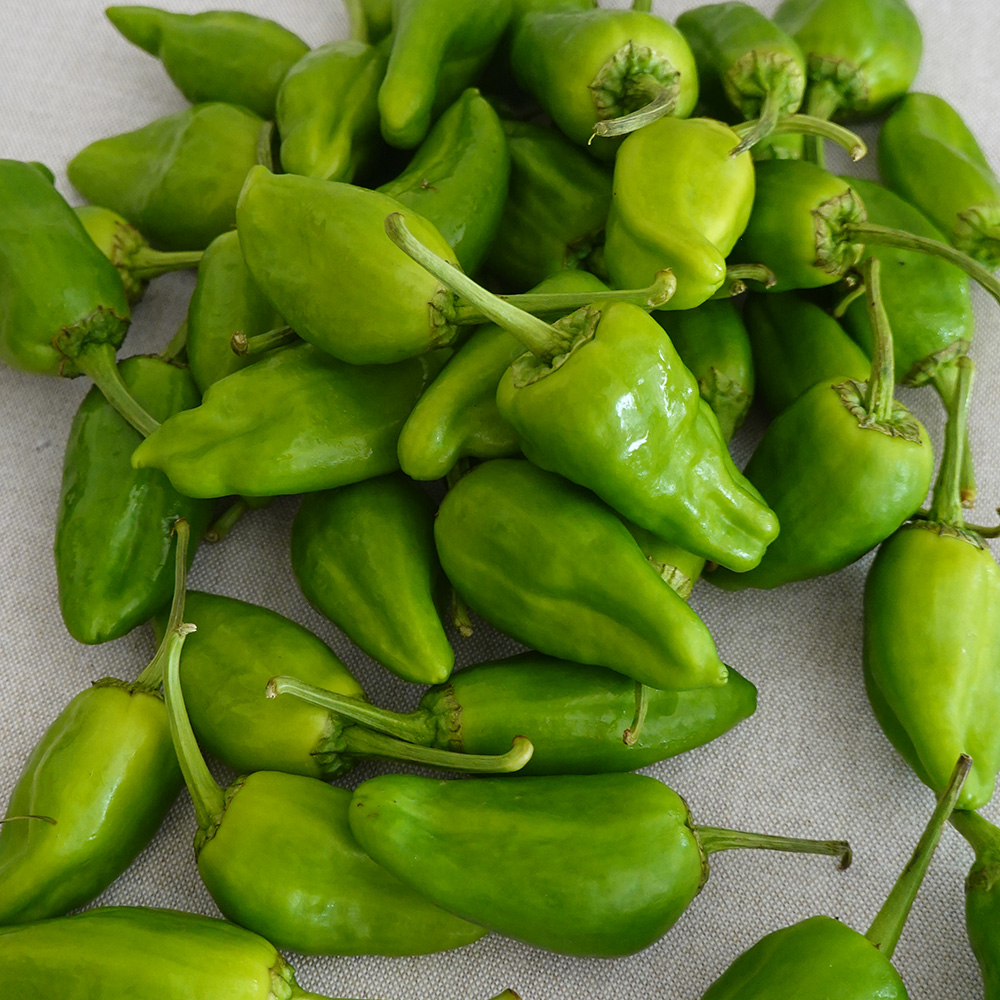
Padrón pepper
↳ or Italian pepper, or any green pepper
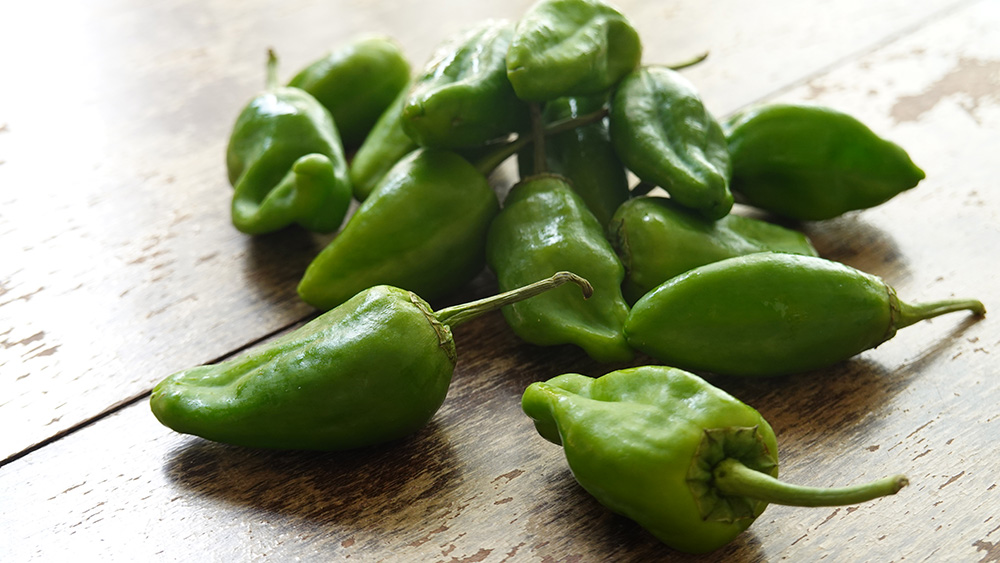
Also known as: Herbón pepper (DOP)
These are small peppers, between 5 and no more than 10 cm, olive green to yellowish green in color, and their gastronomic peculiarity, in addition to their generally intense flavor, is that some specimens are particularly spicy (approximately between 10% - or even less nowadays - and 25%). As the Galician aphorism goes: "Padrón peppers, some are hot, and some are not."
-
1
Small chili pepper
↳ or chili powder / dried chili
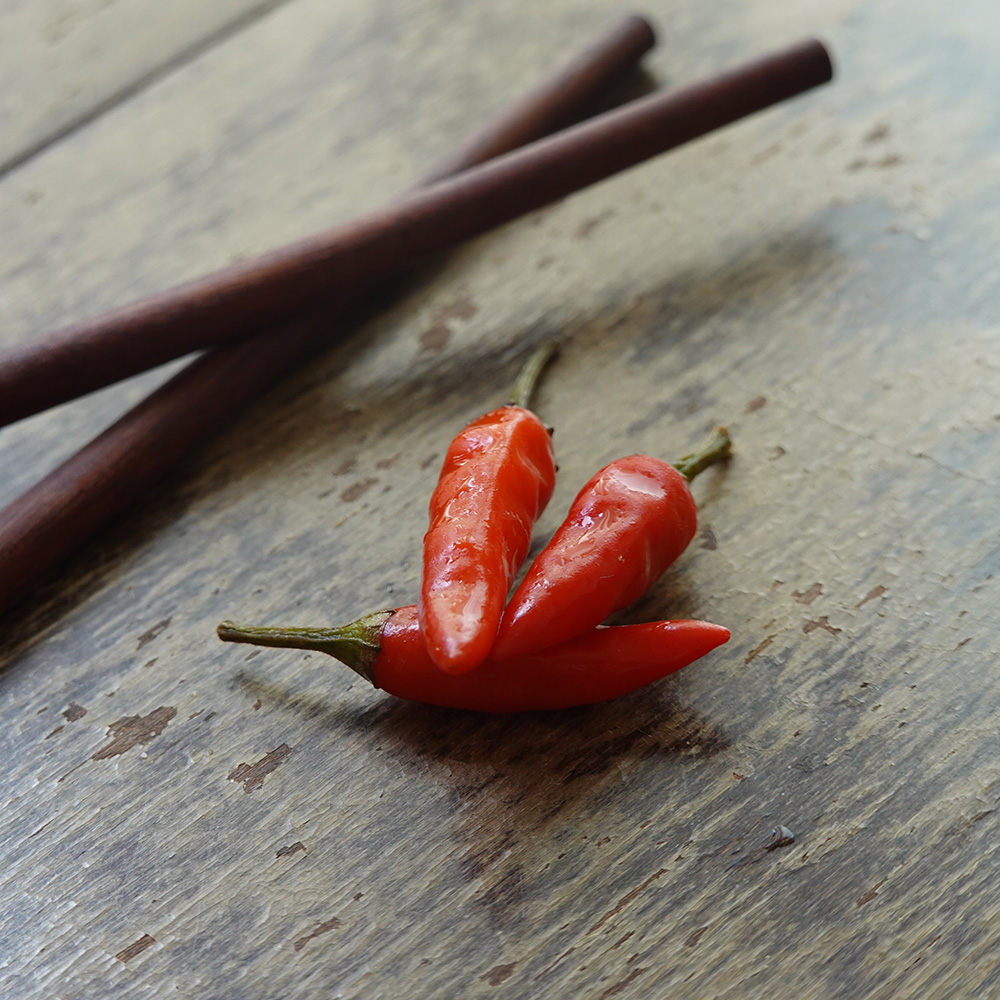
Typical Chinese small, red, hot, chili pepper
- 3 cloves Garlic , chopped
- 1 Spring onion , chopped for garnish
- 1 tsp Light soy sauce
-
1 tsp
Black rice vinegar
Also known as: Black vinegar, Zhenjiang vinegar, Chinkiang Vinegar
Chinese black rice vinegar is the most popular vinegar used for Chinese dishes and should be a pantry staple if you are serious about getting into Chinese cooking
Where to find it: Chinese and Asian markets
Substitutes: 1:1 mix of balsamic vinegar and white vinegar / Regular Rice Vinegar
- 1 tbsp Cooking oil , smoking hot for pouring
- 1 dash Cooking oil , for adding to the peppers
- 2 drops Sichuan pepper oil (optional) ↳ or sesame oil
- 1 pinch Salt
Method
-
1
Wash the Padrón peppers and dry them thoroughly, using a kitchen towel if necessary. Lightly crush the peppers with the palm of your hands to create cracks. You can place one hand on top of them and give them a light tap with your fist.
-
2
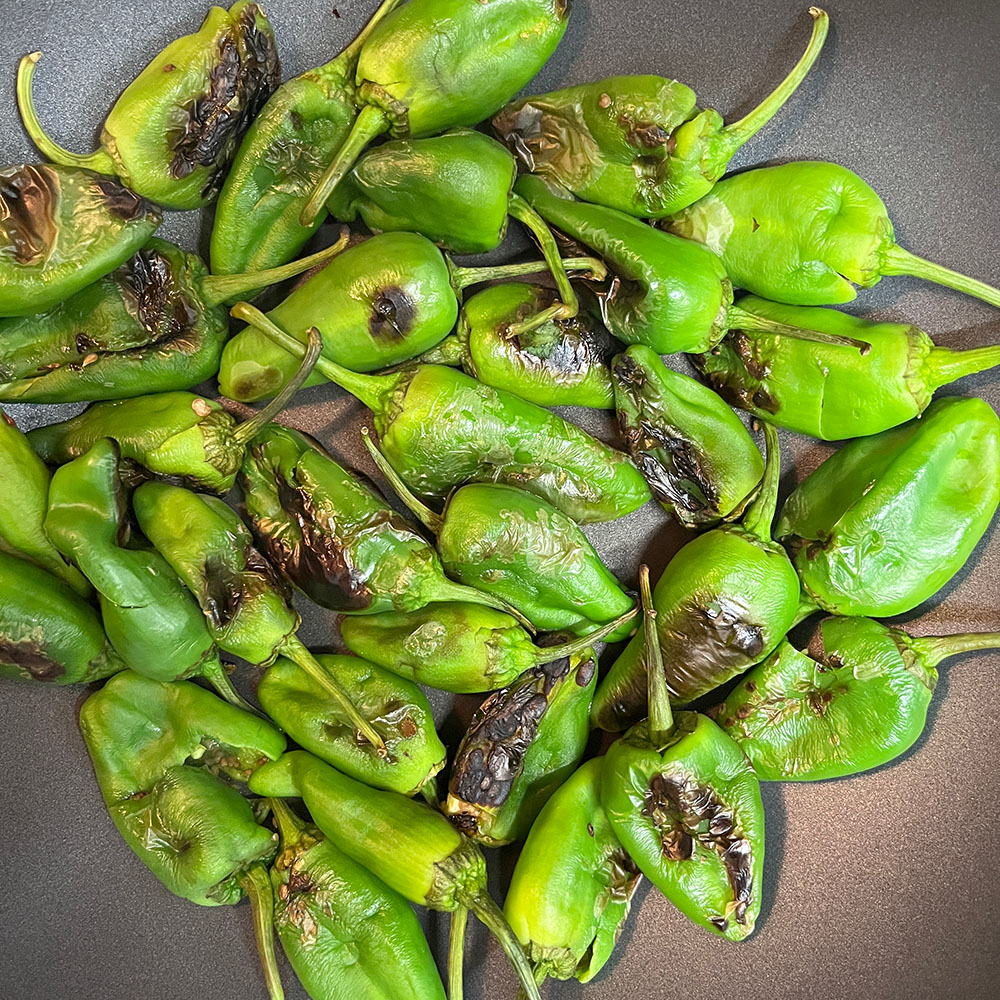
Roast the peppers over high heat in a frying pan or wok on both sides until charred. If needed, press them down lightly to ensure even heat distribution. Once charred, add a pinch of salt, stir/toss for a few seconds, then add a drizzle of oil and continue Sautéing for a few more seconds. Place them in a bowl and cover them so the residual heat finishes cooking them.
-
3
Mince the garlic, slice the small chili pepper, and do the same with the spring onions. Peel the pidan eggs and cut them lengthwise into quarters. Add the pidan to the roasted peppers and form a small mound in the center with the spring onions, garlic, and chili pepper.
-
4
Heat the tablespoon of cooking oil, to your preferred temperature, until it's smoking hot. Pour it over the chopped mound. Add the remaining seasonings (vinegar, soy sauce, and aromatic oil), mix, and let it rest until ready to serve. It's usually served at room temperature.
Notes
• You can also roast the peppers directly on the gas stove, or even better, over a wood fire for extra smoky flavor. Use a metal oven rack or similar to keep them in place. • If using a thick-skinned/hard pepper, be sure to peel it. • Yes, they do smell strange with hints of ammonia and a slight fishy odor. No, they are not rotten or spoiled. Go ahead and try them with this recipe; don't let that intimidate you! • In Chinese cooking, pouring hot oil over garlic, chili, and spices is called pō yóu (泼油), which means "pouring/splashing oil." The intense heat of the sizzling oil instantly shakes the cell walls of the garlic and spices. This releases fat-soluble aromatic compounds without burning the ingredients. If you did it correctly (very hot oil), you should get a loud sizzling sound and a burst of fragrant steam.
Available at: Mancoco 满锅锅 (Barcelona)