Seared Anchovies
Adapted from Shunka (Barcelona)
- Prep
- 20 minutes
- Cook
- 2 minutes
- Rest
- 2 hours
- Total
- 2:22 hours
Equipment
-
kitchen torch
culinary torch
Substitutes: Often, the oven broiler/grill (top heat only) set to maximum power can be used, though extreme caution is required. However, it is not recommended for dishes requiring precise heat targeting.
For pastries like crema catalana, it is possible, and indeed preferable, to use a traditional glazing iron.
Ingredients
-
10
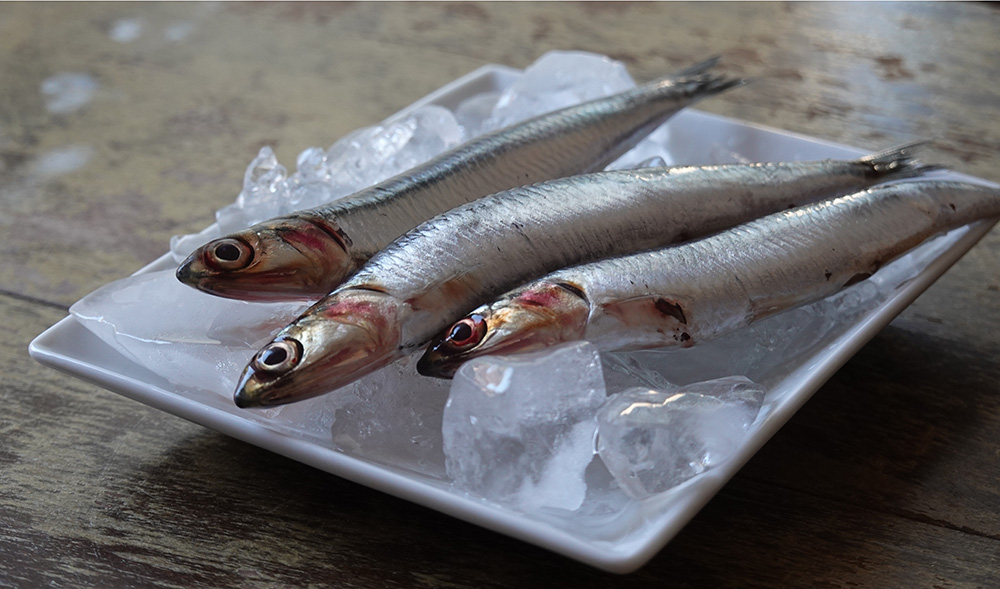
Fresh European anchovies
, choose fresh and good-sized
- Ice , for bleeding the anchovies
- 1 pinch Sesame seeds (optional) , toasted
- 1 pinch Shiso leave (optional) , cut into chiffonade ↳ or chopped parsley
For the sauce
- 3 tsp Light soy sauce
- 2 tsp Yuzu ↳ or sudachi / lime and lemon (1:1)
- 1 tsp Mirin
-
1 pc
Kombu
(optional) , size of a postage stamp
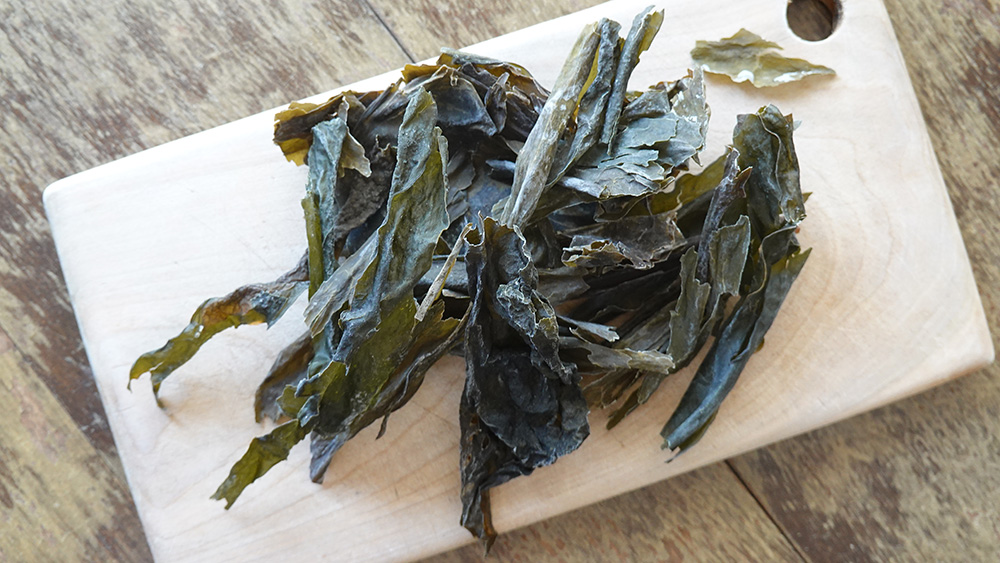
Also known as: konbu, dasima, haidai
昆布 Kombu • Edible kelps mostly from the family Laminariaceae. Largest consumers are the Japanese but is widely eaten in East Asia. Koreans call it dasima 다시마 and chinese hǎidài 海带.
And as my brother always says: putting a piece of kombu in your legumes makes you have less gas. -
1 pinch
Katsuobushi
(optional)
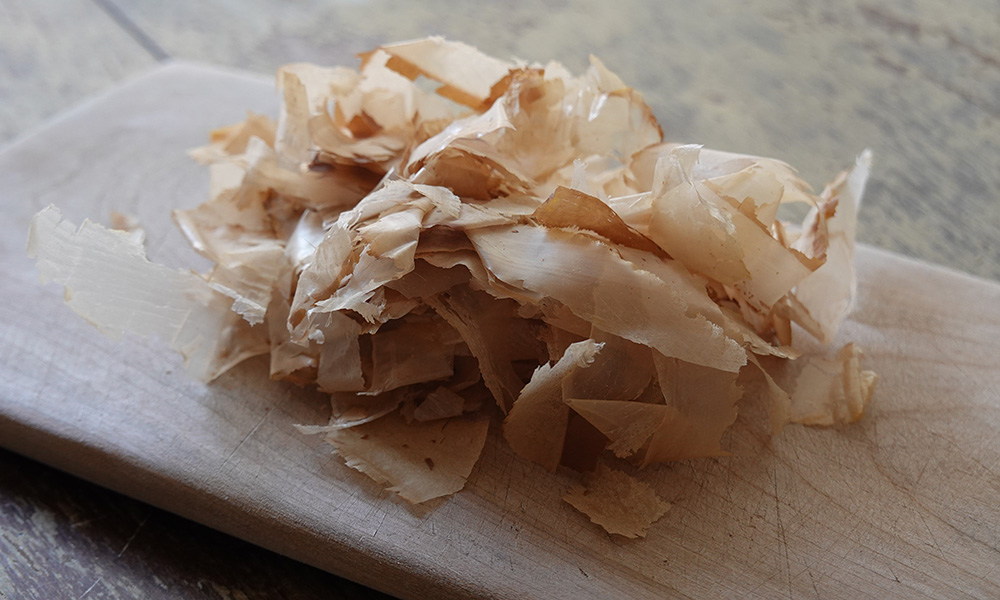
Also known as: bonito flakes, okaka, karebushi, honkarebushi, hanakatsuo, kezurikatsuo
Katsuobushi 鰹節 / かつおぶし is a Japanese preparation of bonito / skipjack tuna (Katsuwonus pelamis) • The fish is simmered, smoked and then sun-dried and fermented until it resembles a piece of wood. Finally it is finely shaved for its use as an ingredient.
Where to find it: Japanese and Asian markets
Available at: Supermercat YangKuang (Barcelona)
Related articles
- Technique Aburi 炙り - Flame Searing
Method
-
The Ponzu Sauce
-
1
We prepare our homemade ponzu sauce by mixing all the ingredients and letting them rest in the refrigerator for at least 2 or 3 hours (ideally overnight; the longer, the better).
-
Cleaning & Bleeding the Anchovies
-
2
Twist the anchovy's head and pull it downwards to remove the viscera as well; use your index finger to open the fish and remove any remaining entrails. Remove the central bone by pulling from the top down to the tail, opening the fish like a book while keeping both fillets attached at the tail.
-
3
To achieve the pristine texture typical of Japanese-style bars, you must bleed the anchovies by soaking them in ice-cold water for 10–15 minutes. You will see the flesh firm up and turn slightly paler. Drain them and pat them thoroughly dry with paper towels; if any water remains, they won't sear properly.
-
Seasoning
-
4
Just before cooking, we strain the sauce to remove the solids and brush it onto the flesh-side of the anchovies; we also place a couple of teaspoons of it on the serving platter.
-
Searing with Torch (Aburi Technique)
-
1
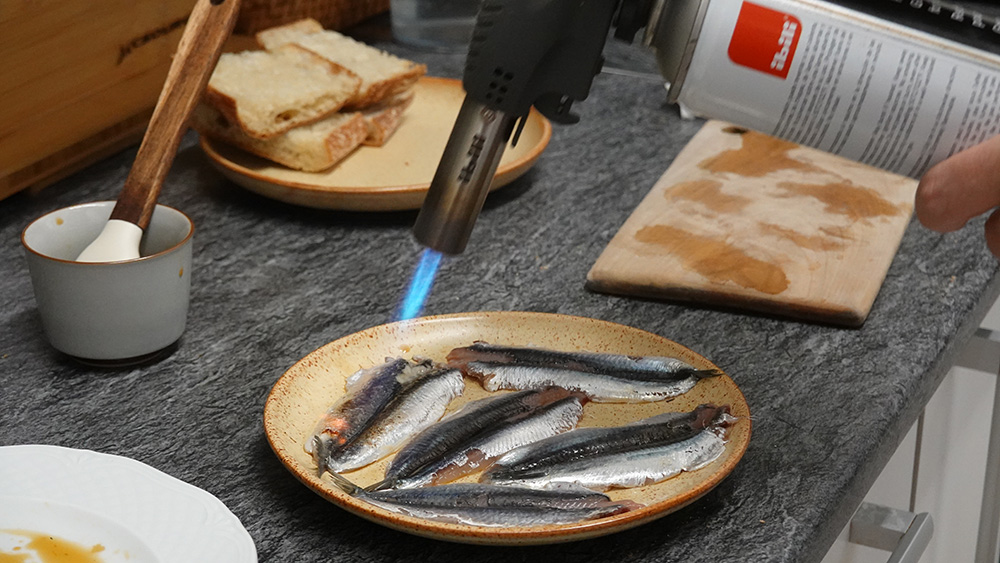
Place the fish skin-side up and remove any remaining moisture with paper towels. You can apply a very thin (almost microscopic) layer of oil to improve heat transfer. Turn on the torch to medium-high power. Hold the flame about 8–10 centimeters away from the fish. Do not keep the flame fixed on one spot; move it continuously with quick, side-to-side passes, as if you were spray-painting. As soon as you see the skin change color, start to shrink, and small bubbles of fat appear, remove the torch immediately. This process should take no more than 4 or 5 seconds per anchovy.
-
Searing with Oven Grill
-
1
If you don't have a kitchen torch, preheat the oven to 200ºC using the broiler/grill setting (top heat only) at maximum power. Line a baking sheet with parchment paper and arrange the opened fillets skin-side up, ensuring they are laid flat and not overlapping. You can apply a very thin—almost microscopic—layer of oil to improve heat transfer. Place the tray on the highest rack, directly beneath the broiler, and cook for just 1 to 2 minutes (up to 3 minutes if the fillets are very large). The goal is for the skin to brown and begin to bubble slightly, while the flesh of the loin remains translucent, tender, and extremely juicy.
-
Plating and Final Touch
-
2
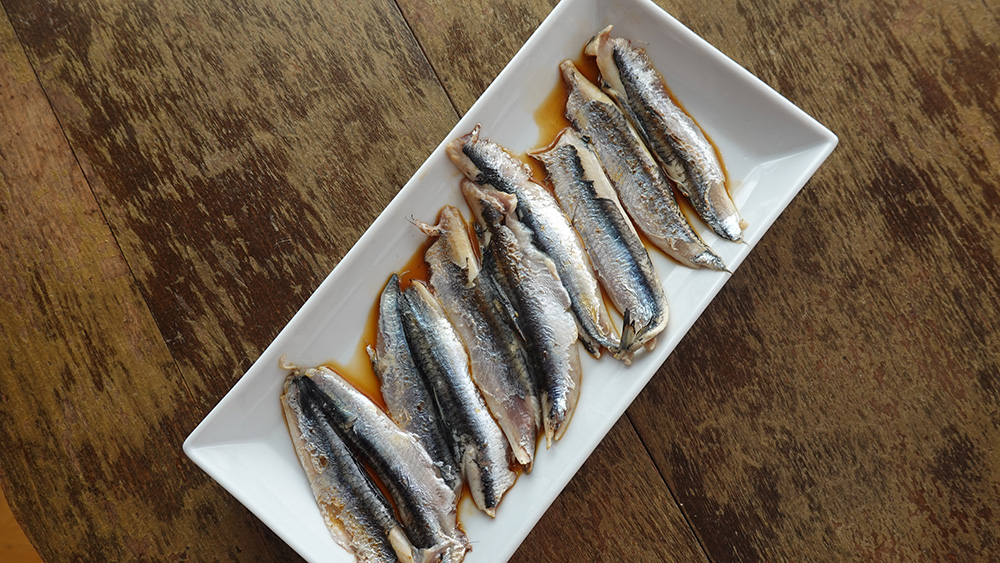
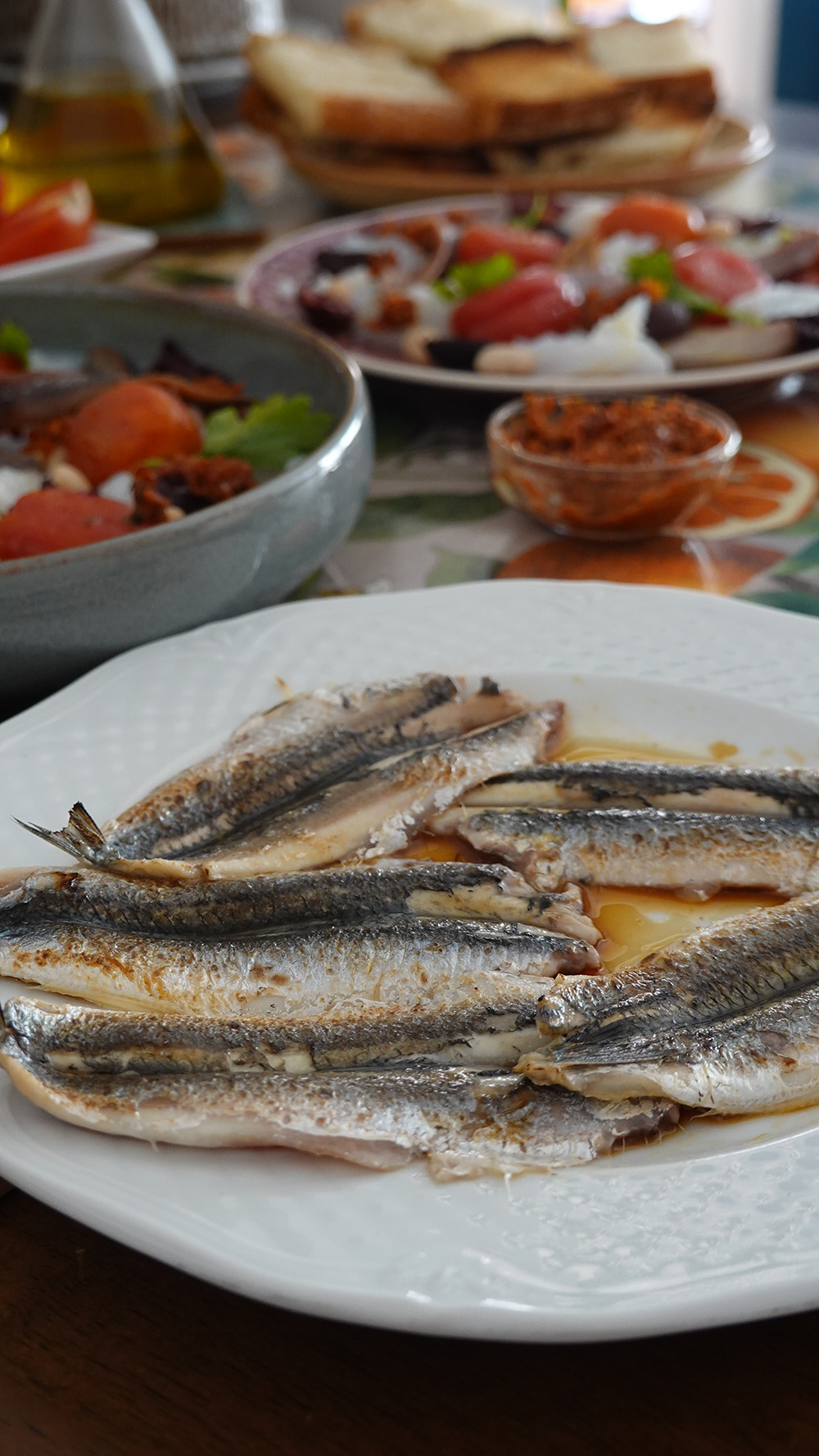
Add the fillets to the serving dish on top of the sauce previously poured, and optionally, sprinkle with sesame seeds and shiso/parsley. Enjoy!
Notes
⚠️ Safety Warning: For most raw or briefly cooked fish, remember to freeze them beforehand at -20ºC for a minimum of 5 days to prevent anisakis.
- If you have the time and patience, to achieve that perfect Japanese-style texture, we recommend trimming the sides of the fillet near the belly and the tail, and carefully removing all the pin bones with tweezers.
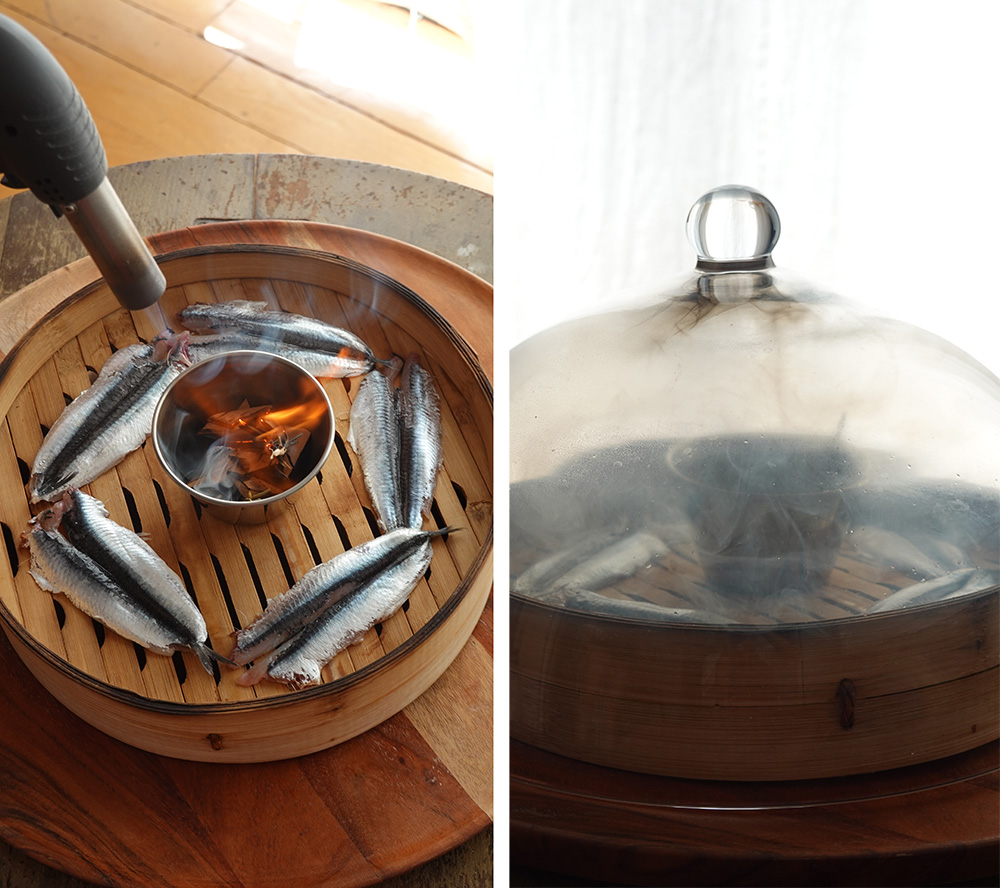
- Optionally, the cleaned anchovies can be smoked to enhance the smoky flavour (see images).